
Parking Lease
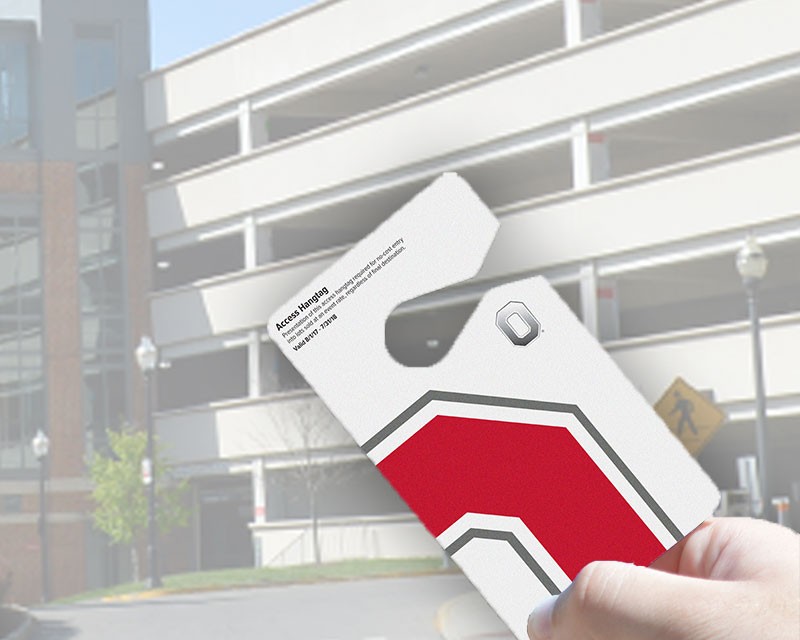
For inquiries about parking, citations or other parking related issues, please contact CampusParc directly at 614-688-0000 or email CampusParc.
The Ohio State University transitioned the management of its parking operations to CampusParc in September 2012 as part of its innovative funding strategy to support the academic mission.
- CampusParc - Operates and enforces campus parking, including special events; manages the permit system; maintains and upgrades parking facilities.
- Administration and Planning's Transportation and Traffic Management - Manages the parking lease; oversees traffic management and university transit and event-related services.
- Parking Advisory Committee – Chaired by the Office of Administration and Planning, the committee is comprised of students, faculty and staff and serves as an advisory group to university leadership.
For additional parking information or questions, please email CampusParc. For information about the Parking Advisory Committee or to share a question or comment with the university, please email pac@osu.edu.
Positive Impact
Ohio State is committed to academic excellence, access and affordability. We support this mission through innovative funding like leasing the management of parking operations. The agreement continues to generate funding through the endowment for:
- Teaching & Learning
- Research
- Transportation
- Sustainability
During the next 50 years, this unique funding source is expected to provide $3.1 billion to academic initiatives, such as hiring faculty, offering more student scholarships, and supporting the arts and humanities.
Resources
Concession Agreement (link is external)
Request archived minutes
Parking Advisory Committee
Susan Boiarski-Markle, Chair and Concession Manager - Transportation and Traffic Management
Administration and Planning
Dan Hedman
Nicole Holman
Lori Yoder
Athletics
Mike Penner
Business Advancement
Xen Riggs
Business and Finance
Karina Brown
Council of Graduate Students
Wyatt Panaccione
Department of Public Safety
Bob Armstrong
Kimberly Spears-McNatt
Facilities Operations and Development
Glen Yoder
Faculty
Michael Lisa
Elisandra Reyes-Perez
Harpreet Singh
Jame Tichgelaar
Health Sciences
John Kuhar - College of Dentistry
Inter-Professional Council
Brad Hogshead
Legal Affairs
Heidi McCabe
Office of Academic Affairs
Ryan Schmiesing
Office of the Chief Information Officer
Open
Office of Student Life
Daren Lehman
Transportation and Traffic Management
Tom Holman
Susan Boiarski-Markle
Undergraduate Student Government
Mykenna Roy
University Communications
Tom Knox
University Staff Advisory Committee
Tracey Boggs
Wexner Center for the Arts
Zach Skinner
Mark Spurgeon
Wexner Medical Center
Bill Mifsud
Jesse Sheldon
WOSU Public Media
Kevin Petrilla
FAQs
When was the concession agreement signed, how long are the terms, and how much money did Ohio State receive?
The parking lease provided the university with an up-front payment of $483 million from QIC Global Infrastructure to invest in support of its core mission of teaching, learning, and research. In September 2012, the university transitioned the management of its parking operations to its partner in parking, CampusParc. CampusParc is the local entity QIC set up to manage the parking lease and will operate parking under this 50-year agreement.
What has Ohio State done with the money?
Ohio State is committed to academic excellence, access, and affordability. We support this mission through innovative funding like leasing the management of parking operations. During the next 50 years, this unique funding source is expected to provide $3.1 billion to academic initiatives such as hiring faculty, offering more student scholarships, and supporting the arts and humanities. Learn more.
Who decides when parking system changes are made, and who represents the campus community?
The university formed a Parking Advisory Committee (PAC). Before moving forward with the parking lease, the university committed to gather feedback about parking operations. One of the ways Ohio State does this is through the PAC. All parking operations questions and needs should be directed to CampusParc, but the PAC can be contacted via email with ideas, comments, and suggestions regarding the overall management of the parking system. All parking system changes proposed by CampusParc must receive university approval.
Which entity handles parking citations and appeals?
CampusParc handles enforcement and the appeals process. To appeal a citation, please visit campusparc.com.
Is there a standard rate for annual permit increases?
The parking prices and annual increases were negotiated as part of the concession agreement. The contract CampusParc has with Ohio State caps annual permit increases at a maximum of a 5.5% increase for the first 10 years of the contract. This increase is in line with the historical average increase of the university’s former Transportation and Parking department and provides certainty for parking customers going forward. After the first 10 years of the contract, the increases are capped at 4% or the five-year average of the Consumer Price Index (inflation), whichever is higher.
What is the university’s commitment to alternative modes of transportation, and is it impacted by the parking lease?
The university has no intention of stopping its sustainability plans and continues to investigate potential alternative transportation options to serve the campus community. The parking agreement was written to give the university the greatest amount of flexibility possible. It includes conditions about the construction of new garages, the movement or reclassification of parking spaces, and the potential growth of the existing campus.
How is parking for campus events managed?
Ohio State hosts a variety of small and large events throughout the year, engaging with surrounding communities and welcoming thousands of students, faculty, staff and guests to enjoy campus spaces and activities. The concession agreement guarantees university-hosted events access to specific lots and garages, depending on the location of the event and the estimated number of attendees. CampusParc may also pre-sell other surrounding parking facilities as the volume of event guests necessitates.
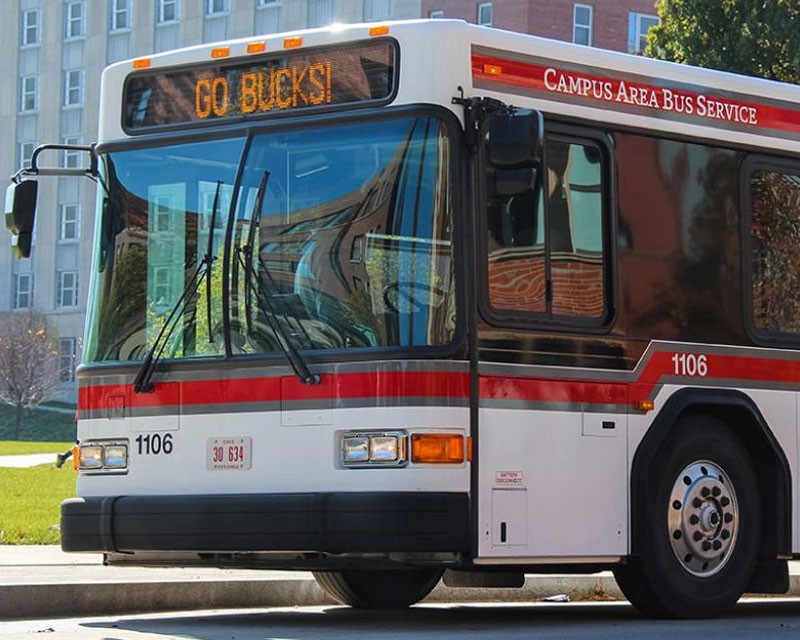
During large events on campus, travel delays and increased parking demand can be expected. Parking space is always available on campus, though it may not be proximate to the desired destination. Information about major event-related travel and parking impacts is shared in multiple university communication channels, including individual customer emails, e-newsletters, social media and on-site signage. In addition, customers are encouraged to download the use the Ohio State app, which provides information about real-time garage capacity as well as Campus Area Bus Service (CABS) GPS tracking and estimated arrival times.