Fishing, science and the future of Lake Erie
Ohio State program for clean water supports environmental recovery efforts
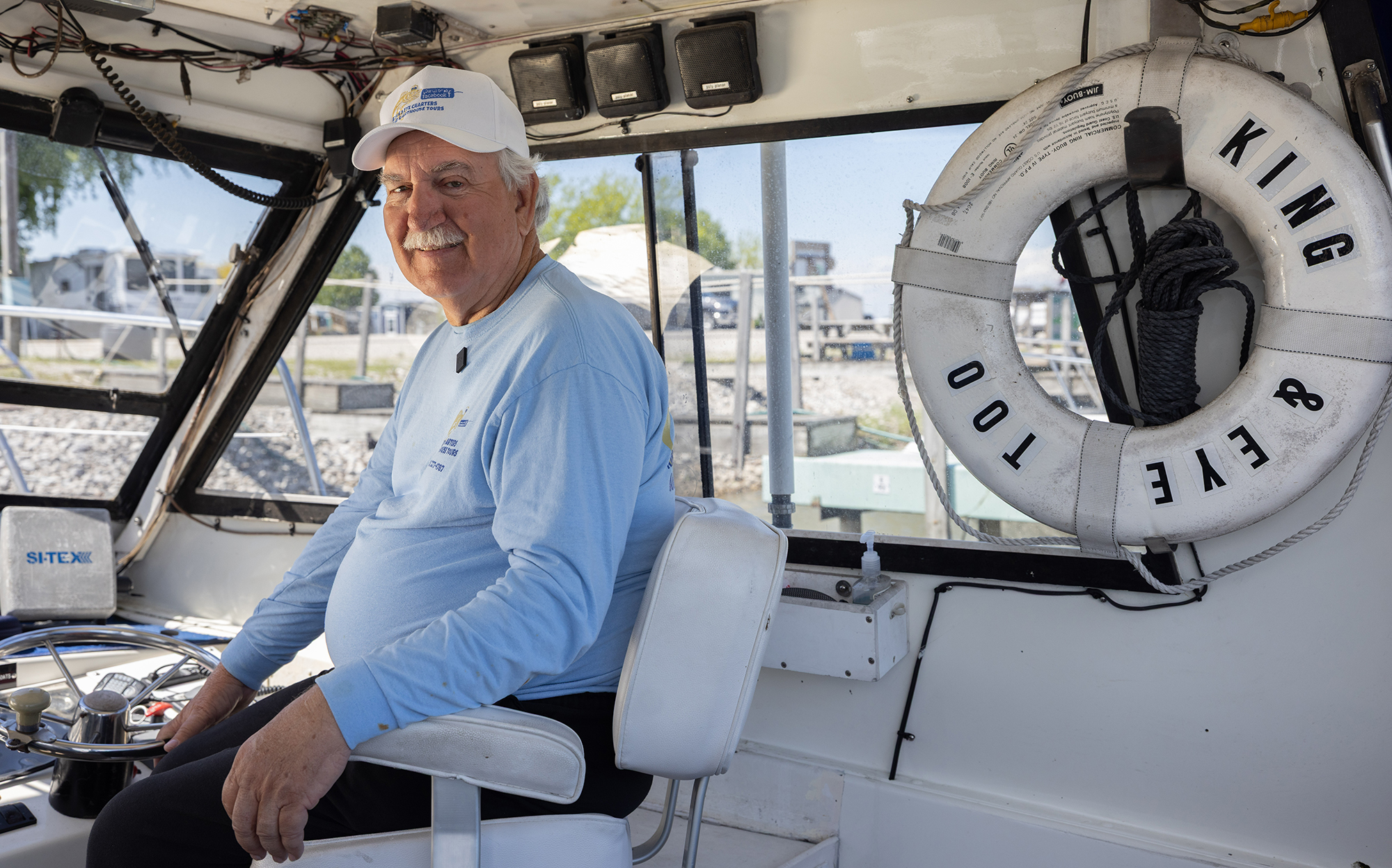
After forty-five years of sailing on Lake Erie, Don McGee still loves to fish.
Whether the waters are calm or particularly choppy, at 71, McGee can nevertheless be found roaming the area as a charter boat captain, a career that began in 1981 and was initially inspired by his family’s love of the outdoors. "I've been in love with Lake Erie my whole life, all the way to owning a boat before I owned a car."
For him, the profession has been an opportunity to meet many incredible people, but a livelihood on the water has also given him a clear reflection of the many environmental changes the lake has undergone.
“I have seen Lake Erie change dramatically, but it's a slow process [too],” he says.
Each summer, harmful algal blooms manifest on Lake Erie. Formed by cyanobacteria, often called blue-green algae, the surface scum and unpleasant odor they create can threaten the local ecosystem and pose a hazard to both humans and animals due to the toxins they produce.
As Lake Erie’s watershed provides drinking water to about 11 million people, monitoring the growth of these blooms is one way citizens like McGee can help care for their community.
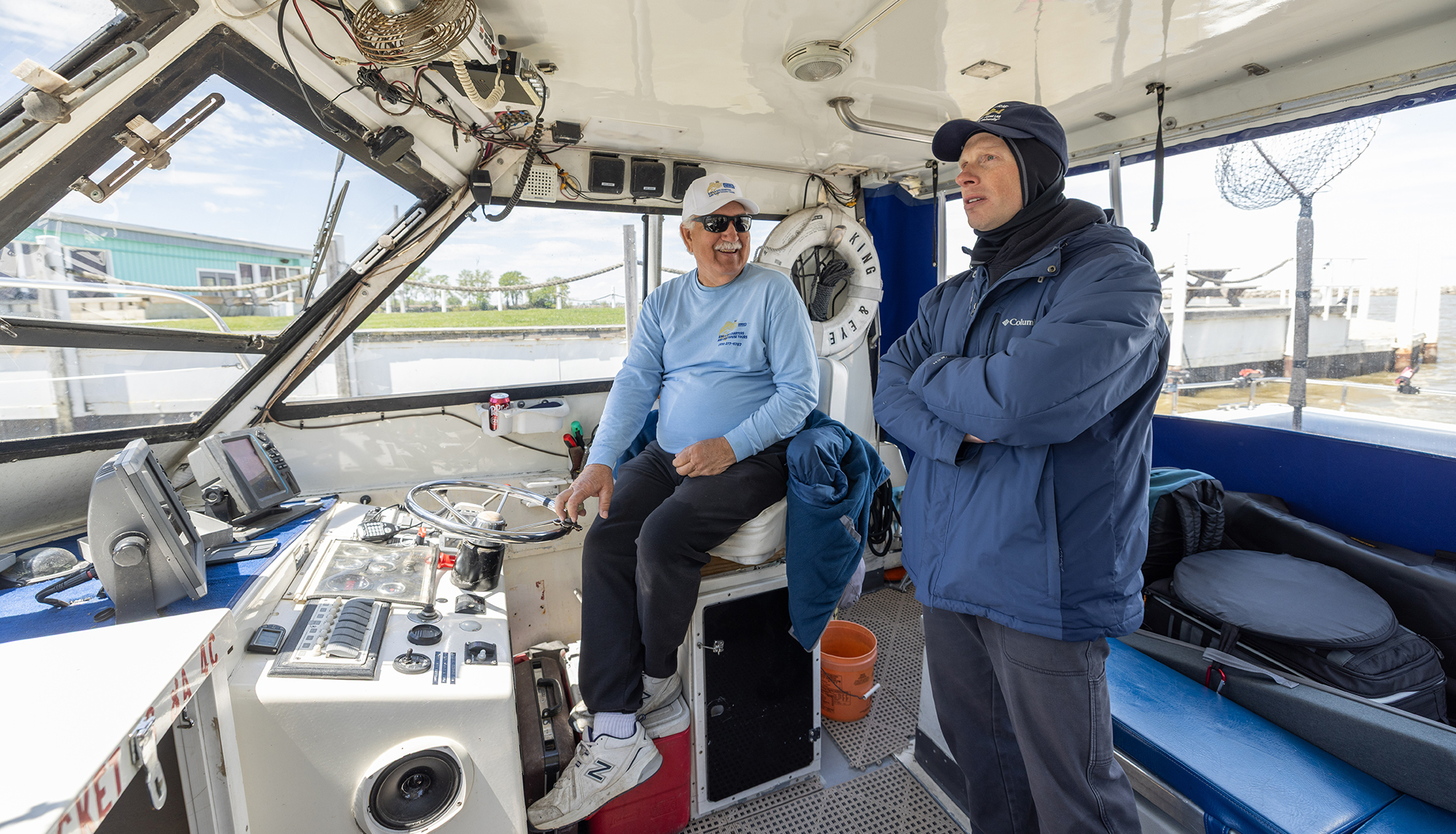
One such effort, led by Ohio State Stone Lab, works to protect the surrounding region by teaming up with local charter captains to monitor water quality across the lake. Once a week, McGee and a group of other volunteers collect samples from various parts of the basin to deliver to Justin Chaffin, the senior research coordinator at Stone Lab.
For McGee, who has collected more than 200 water samples for the project, the collaboration is invaluable to keeping both his family and Lake Erie’s future afloat. “Water quality is high on the list for the ecosystem for the whole lake,” he said. “Everything is affected by it.”
Tackling changing conditions
Located on Gibraltar Island, Stone Lab is home to the first freshwater biological field station in the United States. From inside his office, the incredible waterfront view of Lake Erie often reminds Chaffin how valuable the research they do there is in preserving it.
“We have researchers from all over the nation come over to use our facilities,” he said. “Lake Erie is a very large lake, so not one institution or agency can monitor it alone, but being surrounded by it, Stone Lab is uniquely situated here as an ideal spot to study water quality.”
Since the project began in 2013, more than 1,200 Lake Erie water quality samples have been collected by charter boat captains, with about 150 of those taken in 2025. While large-scale methods of managing Lake Erie’s watershed are typically aimed at reducing nearby agricultural runoff and controlling pollution, smaller citizen science efforts like this one provide a more long-term look at the lake’s health and impact on the environment, said Chaffin.
“I view this project as being a puzzle piece to understanding Lake Erie,” he said. “It really helps cultivate a longer-term awareness of its systems and lets us be vocal advocates for it.”
The process of acquiring these vital water samples isn’t difficult; it’s a job usually done alongside the day’s usual fishing outings, said McGee. Once in the right area for sample collection, he lowers a plastic tube about six feet into the water, taking note of factors such as GPS location, water temperature, and Secchi disk depth, an indicator for assessing water clarity.
“The quality of water is completely different all the way down the lake, and that's why we try to make at least three or four different locations for water sampling,” said McGee. Even water that appears clear can be dangerous, as algal blooms frequently drift in the water column.
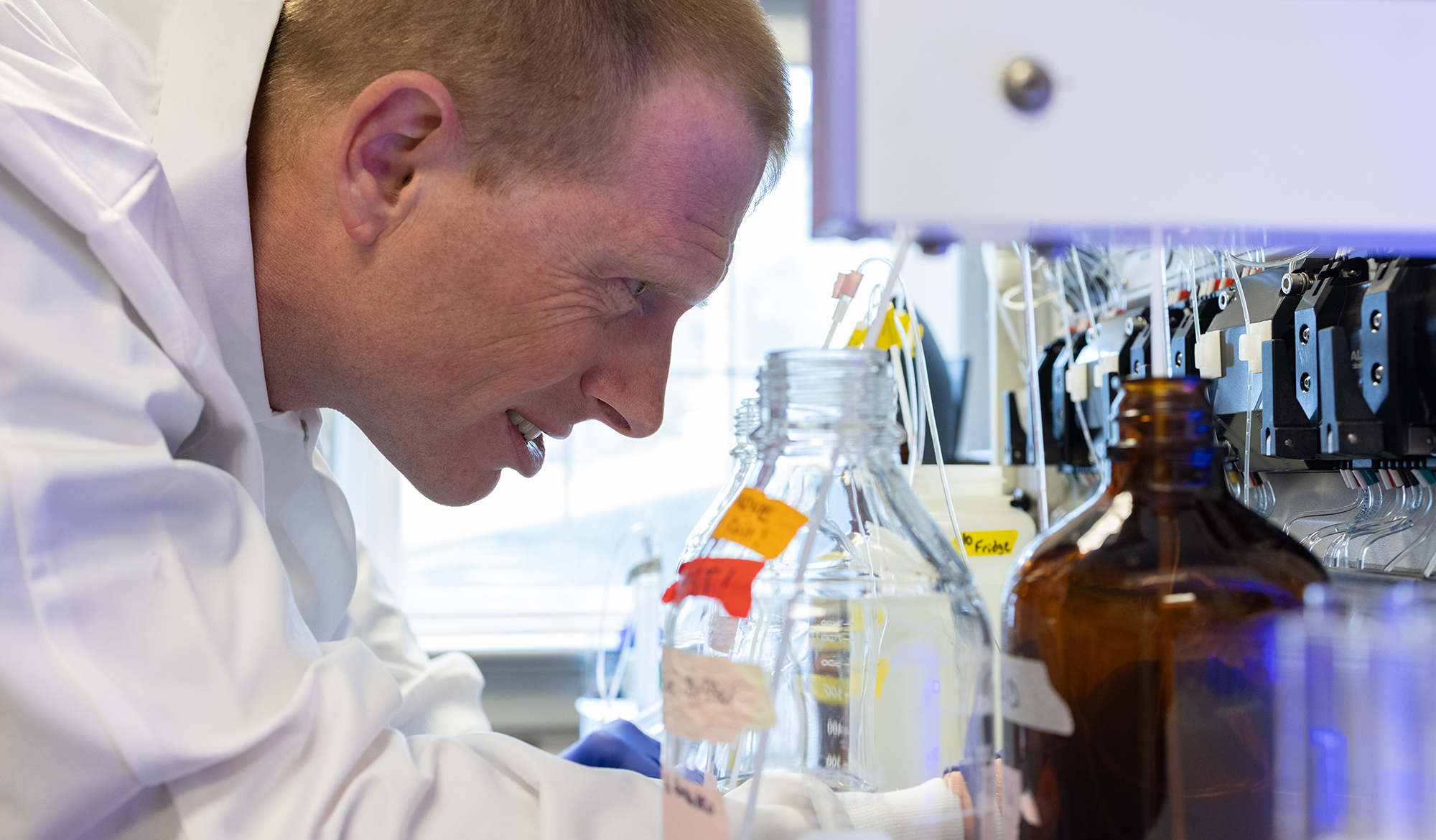
After these water samples are taken, they are picked up by Stone Lab researchers to process and analyze for different algae types that may be present, as well as microcystins, a group of toxins that cyanobacteria produce that can lead to long-term health risks if ingested.
Collecting this data can help fishermen answer questions like how bad the bloom may be compared to previous years, when the season may peak, as well as discover patterns regarding aspects like water temperature and how nutrients move through the landscape. For those whose life’s work depends on being able to read the lake, these reports paint a more detailed picture of what environmental triggers may be causing harmful algal blooms to grow.
“Living in the community, I do feel more connected to the data,” said Chaffin. “It feels a little bit more meaningful because it is collected by volunteers, but this research doesn’t only benefit charter boat captains; it helps anyone who's interested in Lake Erie.”
Reeling in a better future
Beyond helping to solve some of Lake Erie’s most pressing environmental mysteries, McGee also feels driven by his desire to preserve the natural resource for the next generation.
“I want a future for my grandson. That is what the lake can produce for people,” he says.
As Lake Erie is a vital cornerstone of Ohio’s economy, the health of the lake can make or break the region’s $12.9 billion tourism and fishery industries. Walleye alone, one of McGee’s favorite fish to catch, is big business on the Great Lake, generating more than $1 billion for the state.
On the other hand, a single major harmful algal bloom event could cost anywhere from $10 to $100 million in damages, making it more expensive to successfully treat drinking water and lowering lakefront property values. Not only do mitigating these events help keep the lake pristine, but they also aid charter captains in protecting their fishing businesses, as even minute fluctuations in the ecosystem, from harmful algal blooms to invasive species, could end up rocking the boat.
“Any change that we have is going to affect the food chain,” said McGee. “We don't like that.”
Fortunately, Ohio State’s consequential water quality monitoring program provides inroads for raising awareness of Lake Erie’s issues at both the local and federal levels. For instance, since charter boat captains also relay the environmental information they receive to clients who may want to fish, their on-the-ground insights can be incredibly influential for reaching out directly to politicians or agency heads to push for beneficial policy change, said Chaffin.
“Programs like these increase the amount of data available to scientists and also increase the public’s awareness about algal blooms,” he said. “It’s a valuable asset for community outreach.”
Ultimately, the charter captain’s efforts, combined with Ohio State’s research, can lead to sustained funding for programs like the EPA’s Great Lakes Restoration Initiative and other key environmental investments. In the meantime, McGee has no plans to dock his ship anytime soon as he wants to continue the legacy of stewardship he’s cultivated for Lake Erie.
“Ohio State is doing yeoman's work as far as I'm concerned,” McGee said. “To help it happen, that’s pretty cool.”