Building health, one meal at a time
OSU Extension program building community through diabetes education
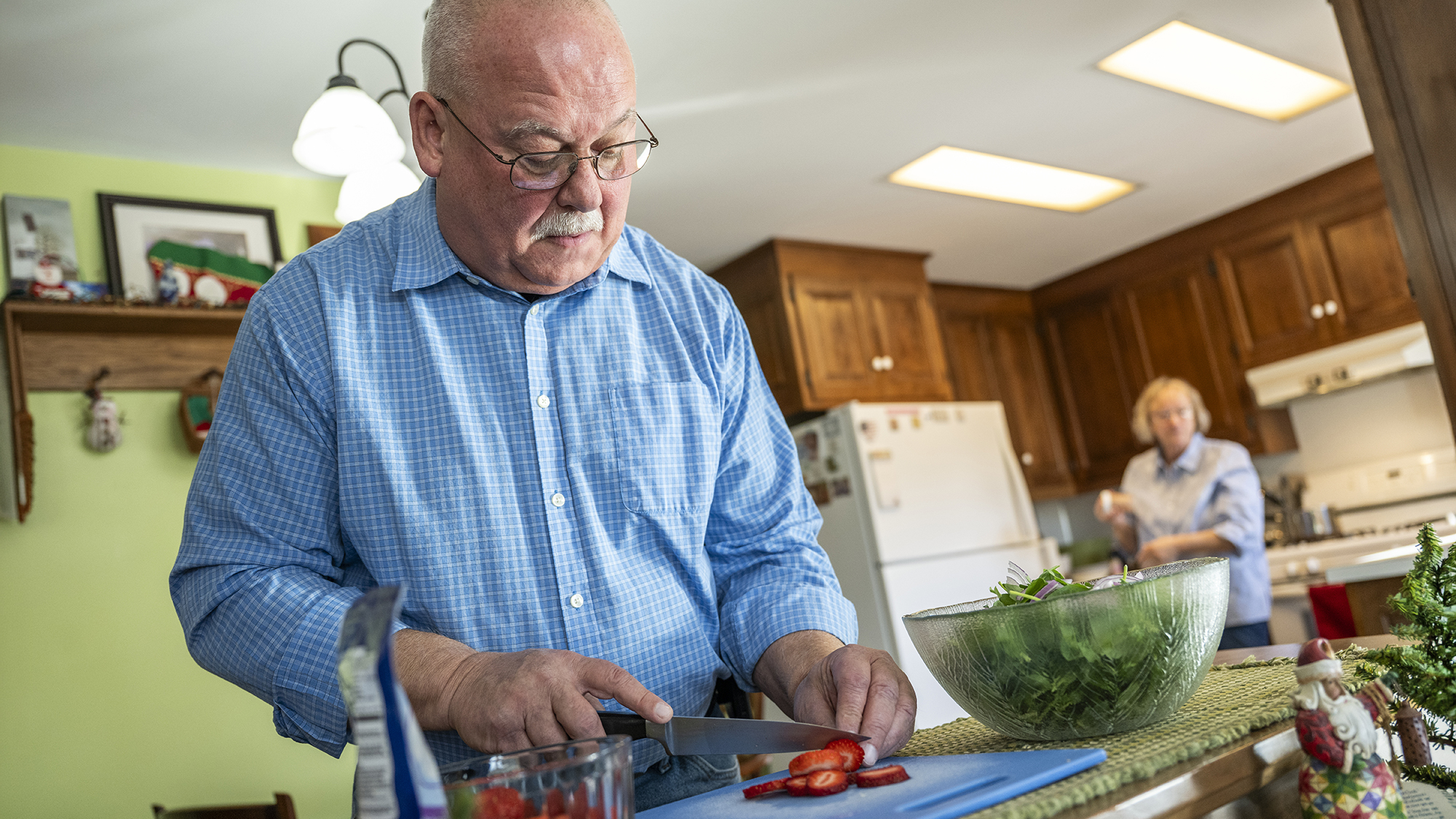
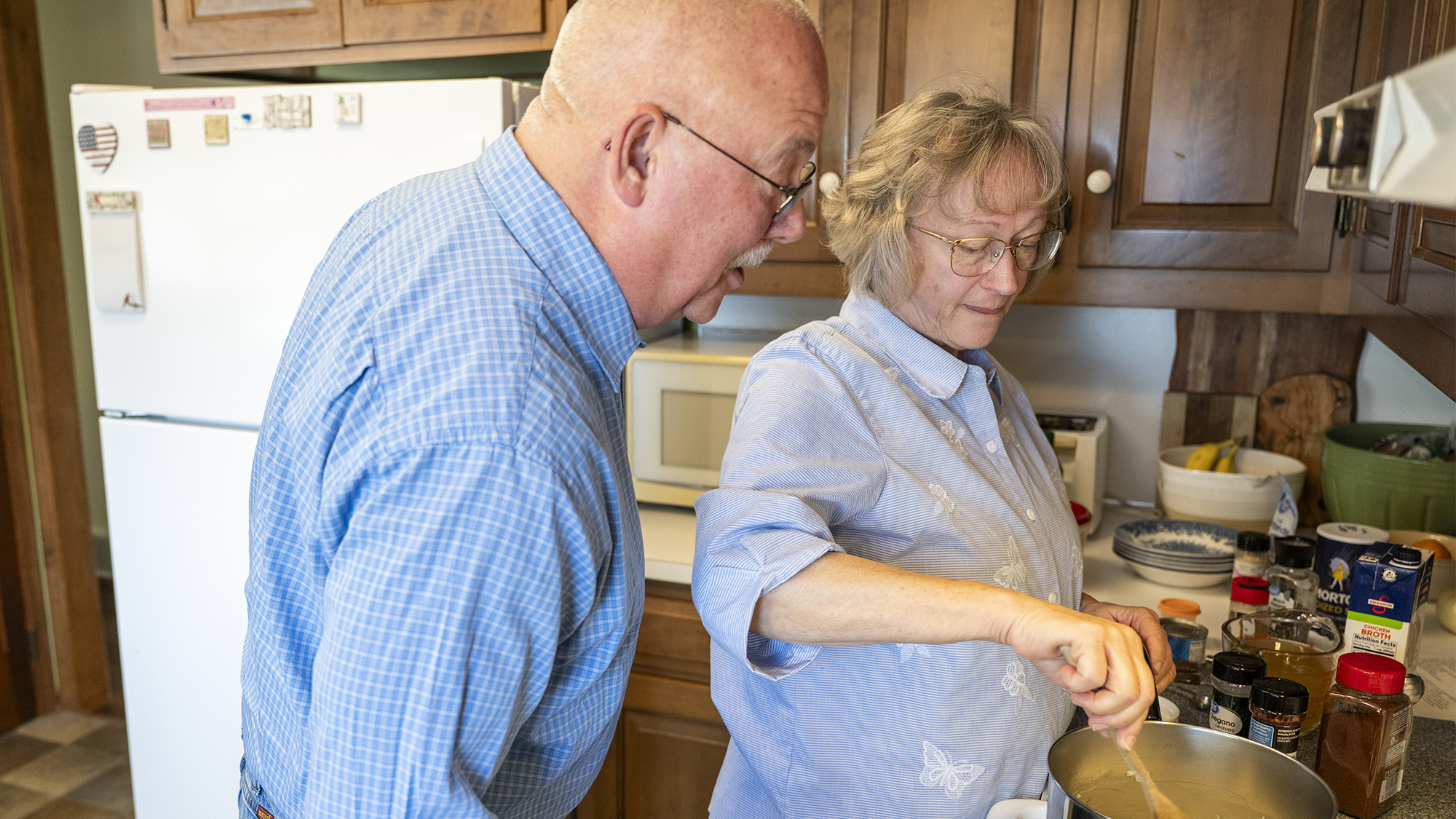
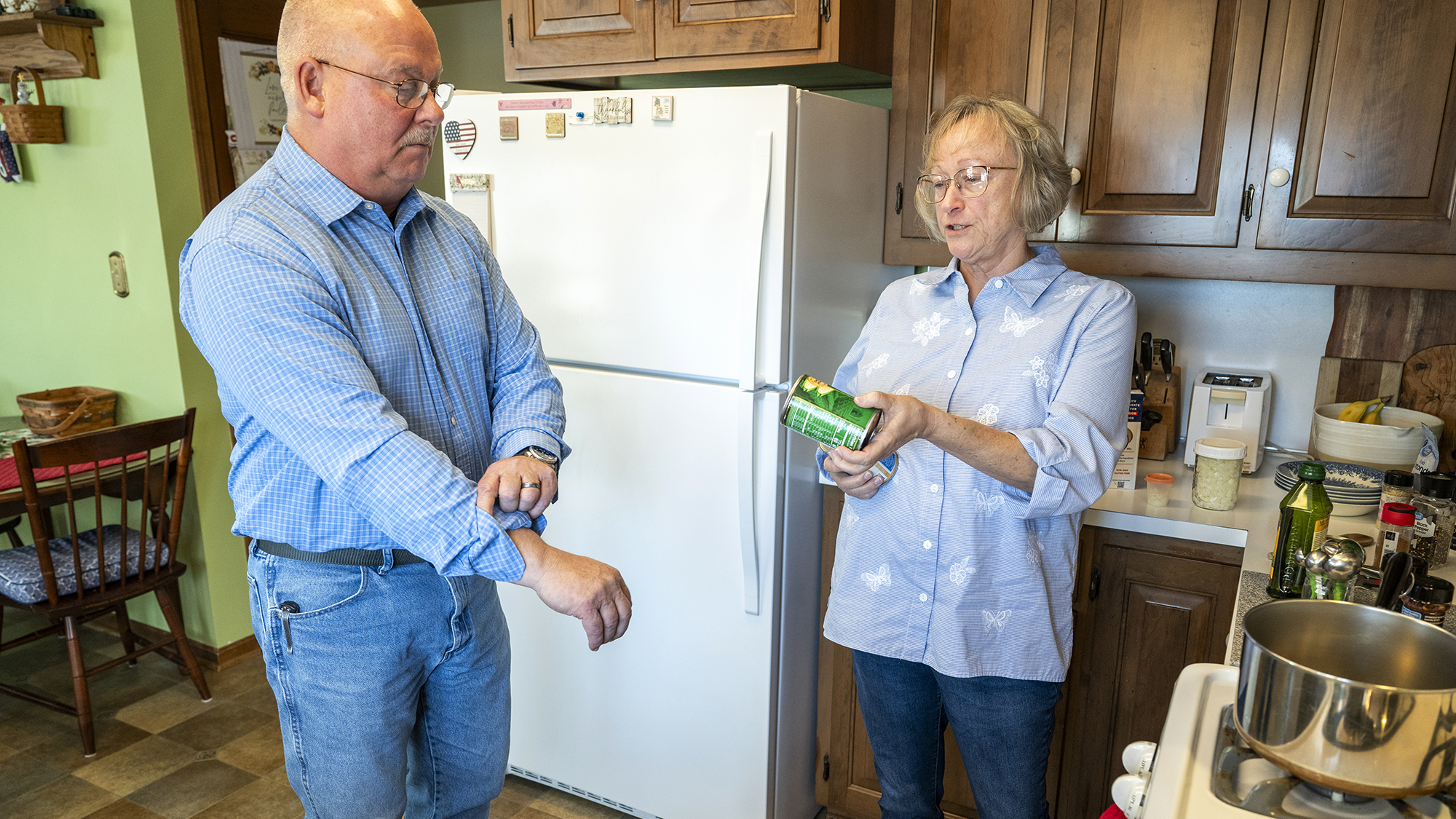
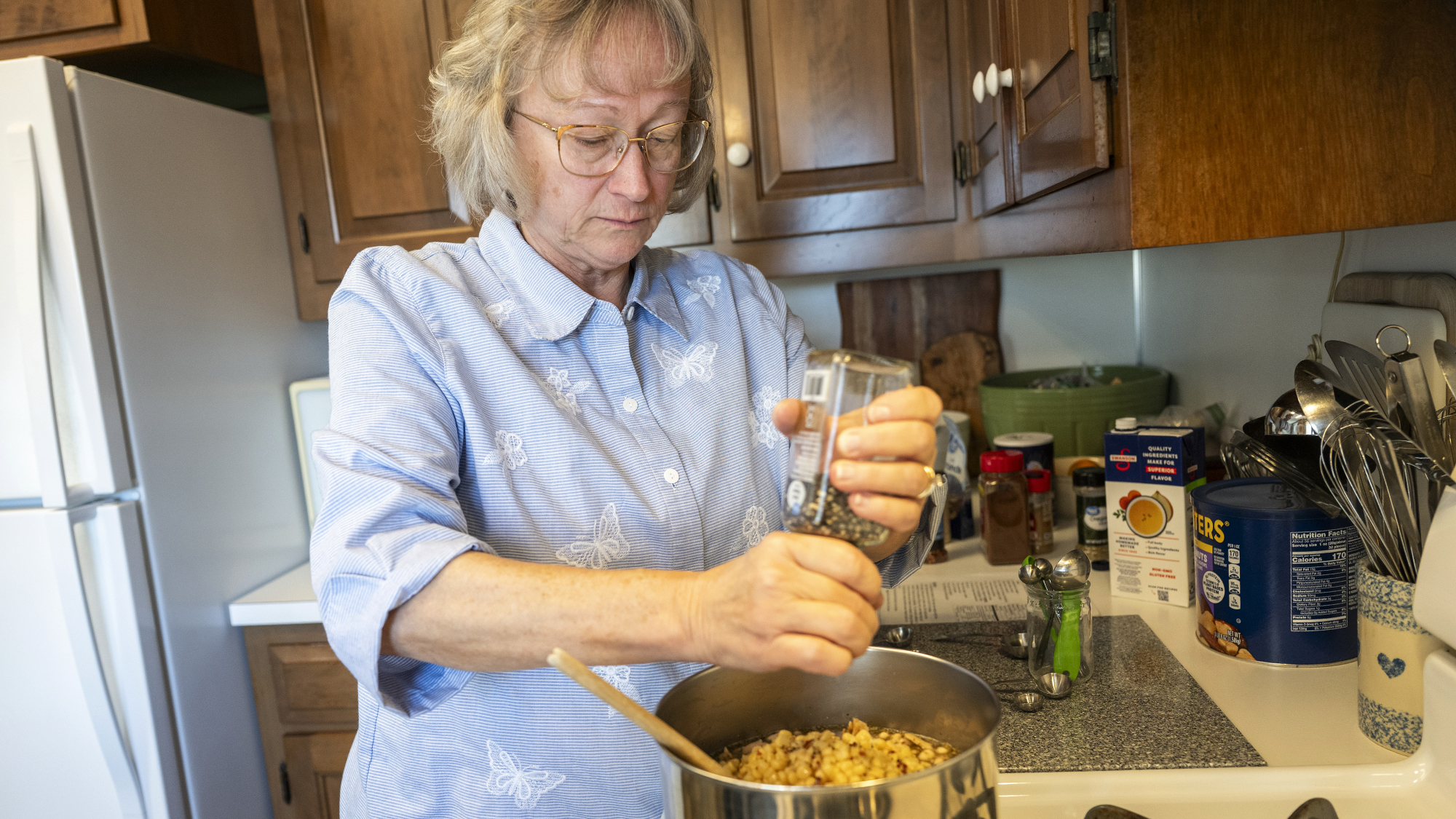
The sounds of a knife steadily slicing through fruit, a pot of chili simmering on the stove and the soft clink of dishes blend into the background as Doug and Becky Share move through the familiar rhythm of cooking together.
Here in their kitchen in Fresno, Ohio, what appears to be the preparation of an ordinary meal carries a deeper meaning. It’s where life-saving health decisions are made.
Becky was diagnosed in 2020 with Type 2 diabetes, the most common form of the disease, accounting for about 90% to 95% of all diagnosed cases. Even as a retired nurse, she felt unprepared. The guidance she received focused largely on fast-food menus and did not reflect how she cooked or ate day to day.
“I didn’t feel like I got any support after my diagnosis,” Becky said. “You get this diagnosis, you get medication, and you don’t get any education on how you can change your eating habits.”
A couple of years later, a listing in her local newspaper caught her eye.
Dining with Diabetes, an Ohio State University Extension program, offered something different. It promised practical, hands-on education designed to help people living with or at risk for diabetes turn medical advice into everyday habits.
At first, Becky hoped the class might simply give her new meal ideas.
“I got way more than that,” she said.
Now, the chili simmering on the stove and the fruit headed for a fresh salad trace back to Dining with Diabetes classes.
Reaching rural Ohioans
For many Ohio families, especially in rural communities like Coshocton County, where the Shares live, managing diabetes is shaped by access. Access to care. Access to education. Access to affordable, healthy food and the resources needed to sustain change.
Without it, diabetes often progresses quietly, leading to serious and preventable complications.
Across the state, approximately 1.2 million adults are living with diagnosed diabetes, representing about 11.3% of Ohio’s adult population. The impact extends beyond health alone. Medical costs tied to diabetes are estimated at $11.8 billion, placing a heavy burden on Ohio’s families, health systems and communities.
Extension’s Dining with Diabetes program has worked to close that gap.
Extension reaches 1,500 people statewide each year with diabetes education programming. Dining with Diabetes accounts for helping approximately 300 participants annually, including those who are newly diagnosed, prediabetic, caregivers and family members supporting someone with diabetes, according to Dan Remley, Ph.D., a field specialist who leads the Extension Diabetes team.
In Coshocton County, where access to diabetes education has long been limited, the program has taken on added importance.
“There is a lack of local health care providers in southeast Ohio, not just for diabetes, but in general,” said Emily Marrison, an Extension educator who leads the Dining with Diabetes program in Coshocton County.
When Marrison began offering the program there in 2019, community health assessments pointed to a clear need. Residents often had to travel nearly an hour to reach specialized care. With a background in food science, nutrition and product research and development, Marrison understood that education alone would not be enough.
“There’s not a lot of one-on-one conversation happening,” she said. “Often people are confused. They’re scared about what their diagnosis means and what this looks like for their life.”
Reaching people would require trust, familiarity and strong local collaborations. That understanding led her to Coshocton Regional Medical Center.
From the beginning, Marrison worked with clinicians to make sure the program felt connected to the care patients were already receiving. Today, she works closely with Leslie Mayle, a dietitian who joined the hospital three years ago.
Before Mayle’s arrival, Coshocton County did not have a full-time dietitian focused on diabetes education outreach. Now, the hospital regularly refers patients to Dining with Diabetes after seeing how participants respond.
“I really felt like I could make some type of impact here,” Mayle said. “I live in this community. I see these folks in the grocery store, at school functions, everywhere. Knowing the health needs here made this program especially meaningful.”
What began as a single class of 18 participants has grown into multiple series each year, with more than 30 people filling each session.
Cooking, learning and connecting
Inside the classroom, Dining with Diabetes feels less like a lecture and more like a shared table.
The first and final sessions take place at the hospital, where participants sit down together for meals prepared by the kitchen staff. Familiar dishes arrive with small adjustments, showing how everyday foods can be adapted to support blood sugar management. Marrison explains recipes and substitutions, while Mayle connects those choices back to overall health.
The middle sessions move to a local fire station, where participants cook in small groups. Some step in; others observe and ask questions; no one is pressured to participate beyond their comfort level. The setting is informal and welcoming.
Classes also go beyond food — touching on movement, goal-setting and emotional well-being. Participants are encouraged to start small and build habits that fit into daily life.
Months later, a reunion session brings the group back together to share progress and hear from additional health professionals, reinforcing that managing diabetes is an ongoing process.
Marrison says one of the program’s strengths is that it does not prescribe a single “right” way to eat.
“There are lots of different ways that people can make choices about their food, and there’s a lot of freedom in the things that we eat,” she said.
Rather than focusing narrowly on calories or macronutrients, the program encourages participants to think about enjoyment, connection and routine.
“If we’re enjoying our food and our community and treating it as something meaningful, it can make people a lot healthier,” she said. “Eating is allowed to be an experience. It’s allowed to be something special.”
When persistence fuels progress
When the Shares first enrolled in Dining with Diabetes, Doug came along simply to support Becky. At the time, Becky felt overwhelmed by her diagnosis and unsure where to begin.
“You’re in a state of, ‘I don’t know what to eat. I can’t eat anything,’ ” Becky said. “It’s depressing. It feels hopeless.”
However, as classes progressed, Becky began to feel more confident navigating everyday food choices. Lessons on meal planning, portion sizes and label reading helped replace confusion with clarity. What once felt restrictive slowly became manageable.
That shift soon became personal for Doug as well.
Within weeks of their first class, he was diagnosed as prediabetic, with blood sugar levels nearing the Type 2 diabetes range. Faced with the possibility of medication, he asked his doctor for time to see whether lifestyle change could make a difference.
For Doug, the structure of the class provided a clear starting point. A retired engineer, he approached the challenge methodically. Using spreadsheets, he tracked meals, portion sizes and blood sugar readings, logging patterns and graphing progress to guide small, steady adjustments.
“Journaling doesn’t help you get your blood sugar under control, but it’s very blatant when you look at your journal the sins of your choices,” Doug said with a laugh.
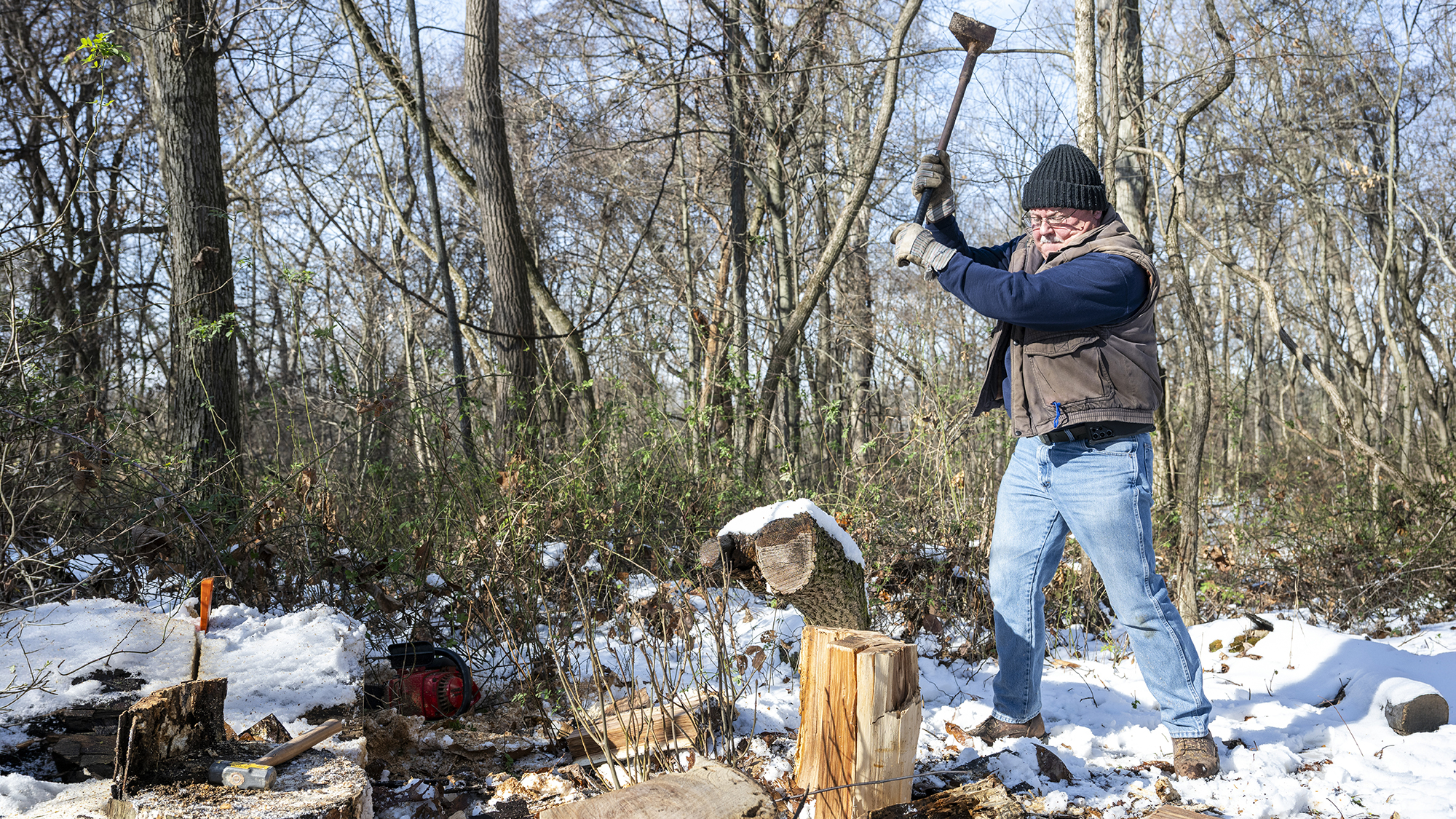
The results followed. Doug lost about 25 pounds, lowered his A1C into a healthy range and avoided medication altogether — and has stayed that way in the years since.
At home, the work continued side by side. Becky revisited family recipes, measured more carefully and rethought how meals were built. Instead of giving up favorite foods, the couple learned how to prepare them differently.
“I would not have been as successful without Becky,” Doug said. “I know it’s my responsibility but having someone beside you when you’re adapting to a new lifestyle makes a big difference.”
For Becky, the change was about more than food.
“I’m not in the state I was anymore,” she said. “Now I feel like I actually understand what I’m doing and how to make better choices.”
The classroom helped reinforce what they were practicing at home.
“I would recommend this class to any diabetic patient,” Doug said. “Emily and Leslie shared information in a positive way. They gave facts and real examples that made sense.”
Together, Doug and Becky found progress not through one dramatic change, but through daily routines built on teamwork and persistence.
More than a class
The Shares’ story reflects what Dining with Diabetes has become in Coshocton County.
As the program has grown, so has the sense of community within each class. Participants trade tips, encourage one another and speak openly about the frustrations and small victories that come with managing a chronic condition.
Through the collaboration between Extension and Coshocton Regional Medical Center, trusted education has become part of the local care system rather than something residents must travel to find.
“Our hope as educators is that what we do is really helping people,” Marrison reflected. “It’s not just about knowledge. It’s about life change. We want the classes we teach and the resources we offer to help people live better lives.”
For rural Ohioans, Dining with Diabetes has become more than a nutrition class. It is a place where learning happens around a shared table, where change feels possible and where small, steady choices add up, one meal and one life at a time.
Video by Sebastian Kleihs