Ohio State mentors change lives by showing up
PALS program connecting Ohio State Marion students with community youth
Le'Niyah Williams used to assume people wouldn’t show up for her. Most days, she tried not to take it personally – adults got busy, schedules changed, and promises slipped, so it was easier not to expect much.
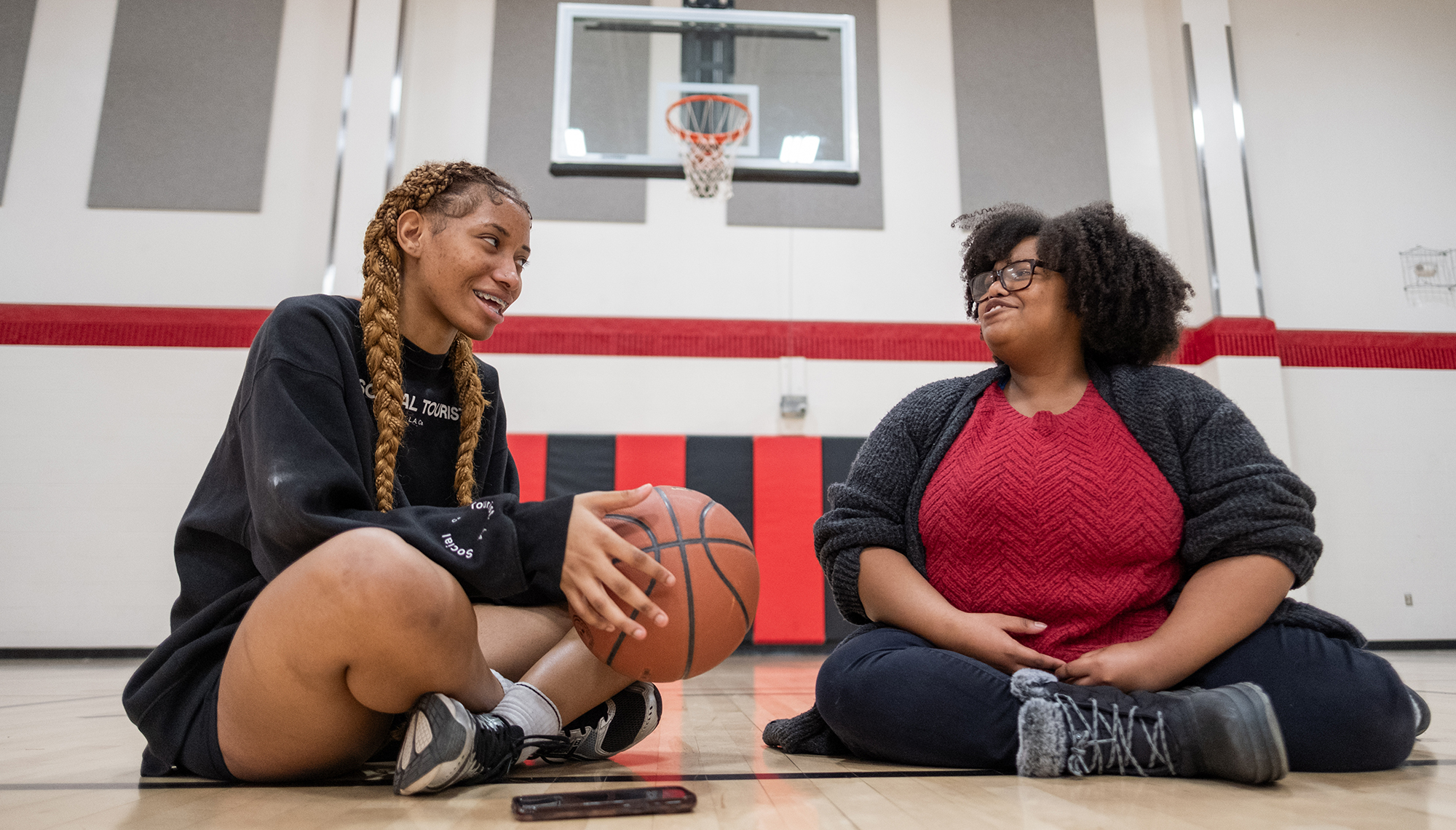
But when Savannah Parsons walked into Marion’s Harding High School one Thursday afternoon last fall – on time, again – the 16‑year‑old noticed.
“She kept showing up,” Williams said. “That’s what made me trust her. I’m not used to that.”
Their weekly meetings are part of PALS (short for the Pride And Life Skills mentoring program), a partnership between The Ohio State University at Marion, Marion Mentors, the Marion Family YMCA, and Marion City Schools. The program pairs Ohio State students and others with local youth for one hour a week – a simple structure that has become a lifeline for kids who need stability, encouragement, and someone who listens without judgment.
For Williams, that person is Parsons – an 18‑year‑old psychology student who is already a senior at Ohio State Marion. Their connection was immediate, but it was consistency that made it real.
“Even being late can feel like a letdown for kids who’ve been disappointed before,” said Nikole Patson, professor of psychology at Ohio State Marion and faculty coordinator for PALS. “Showing up when you say you will – that’s the foundation of trust.”
Parsons understood that instinctively. She didn’t try to fix anything. She didn’t push. She just arrived every Thursday, sat down across from Williams, and listened. And slowly, Williams began to open up.
A connection that felt easy
The first time they met, Williams wasn’t nervous. She remembers feeling “safe and heard,” something she doesn’t say lightly. She also remembers realizing Parsons was shorter than she expected – a detail that made them both laugh and broke the ice instantly.
“We act alike in a lot of ways,” Williams said. “As long as someone’s easy to talk to, I’m easy to talk to. And she was.” Parsons felt it too.
“From day one, we were in sync,” she said. “We had the same ideas. It made it easy to connect.”
Their conversations range from schoolwork and teachers to politics, basketball, and the everyday frustrations of being a teenager. Some days, they talk nonstop. Other days, when Williams is tired or overwhelmed, Parsons gives her space.
“It’s a very understanding atmosphere,” Parsons said. “It’s knowing what to say when – and when not to say anything.”

A program built on showing up
PALS has been part of the Marion community for two decades. The model is simple: Ohio State students earn academic credit for mentoring local youth, guided by reflection assignments and leadership development. But the heart of the program is the relationship.
“Kids like Williams are often just looking for someone who will show up and be nonjudgmental,” Patson said. “That’s what changes lives.”
The need is real. Many youth in Marion face challenges that would overwhelm most adults – unstable housing, family responsibilities, financial strain, or simply the feeling of being overlooked in a crowded world.
“Some of our kids are raising their siblings,” said Toy Pendleton, director of teen and youth development at the Marion Family YMCA, which runs Marion Mentors. “Some are working two jobs to help keep the lights on. Others come from great families but just need one‑on‑one time they don’t always get.”
Ohio State students bring something unique: proximity.
“They’re adults, but they’re young adults,” Pendleton said. “Kids open up more to someone closer to their age. They see themselves in them.”
A turning point for Williams
Before mentoring, Williams admits she struggled with attendance. She had been on multiple attendance plans since her freshman year. School felt heavy to her and motivation was sometimes fleeting. Since meeting Parsons, that changed.
“My attendance hasn’t been bad,” she said. “I always come to school now. She motivates me to keep up with my work.”
Parsons doesn’t lecture. She nudges.
“She’ll say, ‘You’ve got to do things you don’t want to do sometimes,’” Williams said. “She doesn’t judge me. She just reminds me.”
The impact is measurable. Marion Mentors’ annual assessments show improvements in attendance, grades, behavior, and social confidence among students who participate in the program.
“Some of these kids didn’t even have friends to play with at recess,” Patson said. “Mentoring helps them trust people — and then they build other relationships.”
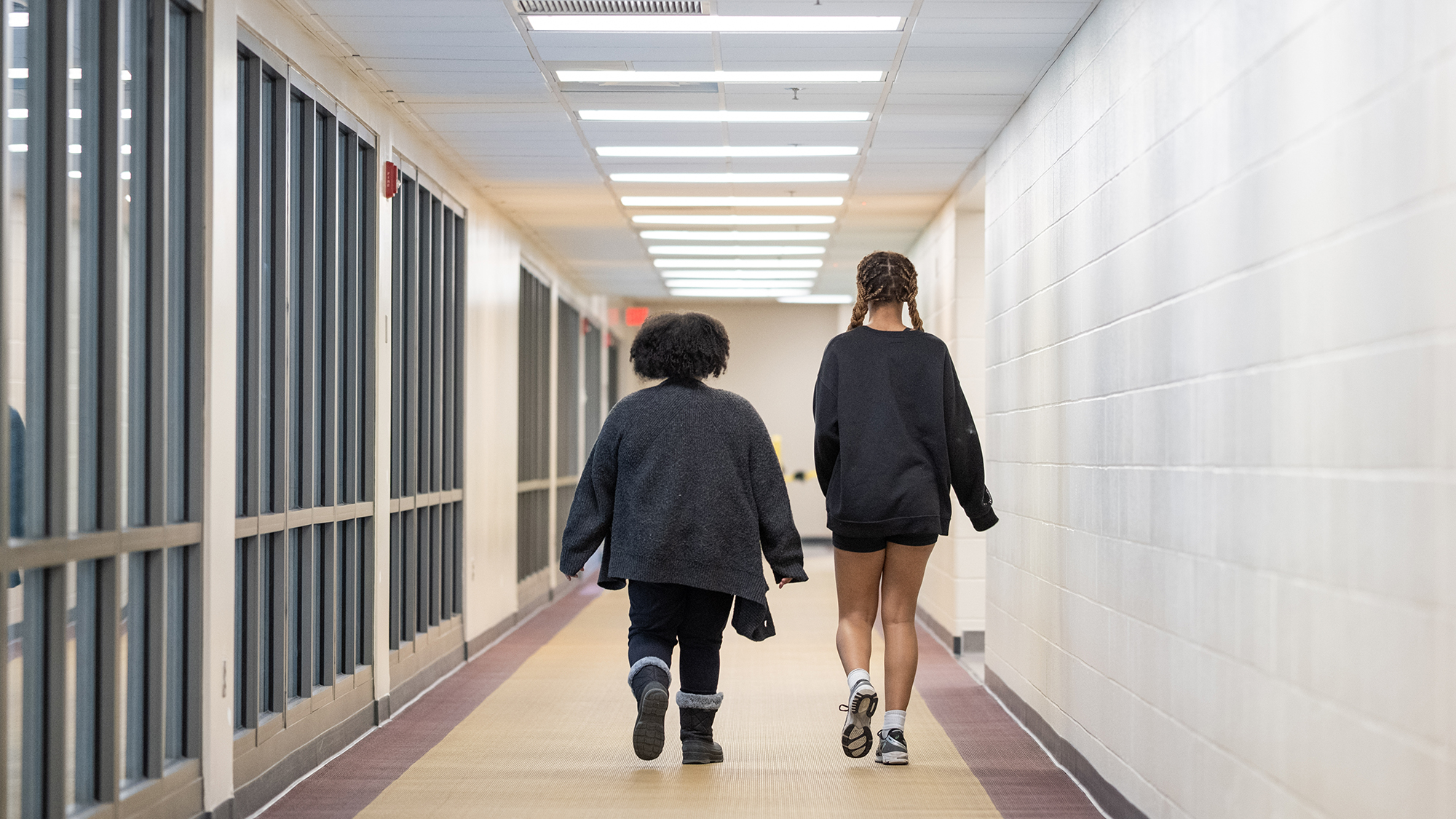
A mentor who found her new path
Parsons didn’t join PALS to be a hero or just for the academic credit. She joined because she had time in her schedule and thought, “Why not?” She didn’t expect to become someone’s anchor.
“She’s definitely a highlight of my week,” Parsons said. “When classes are dragging, I know I get to see her. We both get a break.”
Parsons is studying psychology and hopes to become a forensic psychologist. Williams wants to be a therapist someday — or maybe a kindergarten teacher or social worker on her way there. Their goals are different, but their paths feel connected, they said.
“I feel like I’ve gained a friend,” Williams said. “I think she feels the same way.”
Ohio State’s role in a community that needs it
Ohio State’s presence in Marion is woven into the fabric of the community by its regional campus there and also through programs like PALS that rely on consistency, empathy, and time, Patson said.
“It’s a win‑win. Our students develop leadership and empathy, and the youth receive consistent, nonjudgmental support. That combination is powerful,” she said. “This is what it means to be a good steward of your community. Our students learn that here, and the youth see that Ohio State is a place that cares about them.”
Some mentors stay for a semester, while others stay for years and even continue mentoring even after they graduate. “They build relationships that last,” Pendleton said. “They see how important it is, and they keep coming back.”
When asked what it would be like without Parsons, Williams didn’t hesitate.
“I have a hard time trusting people,” she said. “It’s nice to know I have somebody who actually cares. Somebody who shows up.” That’s the heart of PALS: not the credit hour, and the curriculum, but the simple act of being there that changes the trajectory of a young person’s life.
Parsons plans to keep mentoring as long as she can and Williams plans to keep showing up too.
“I’m used to seeing her now,” Williams said. “She’s someone I can rely on.”