Measuring a river's worth
Ohio State partnership helps pinpoint the economic value of the Little Miami region
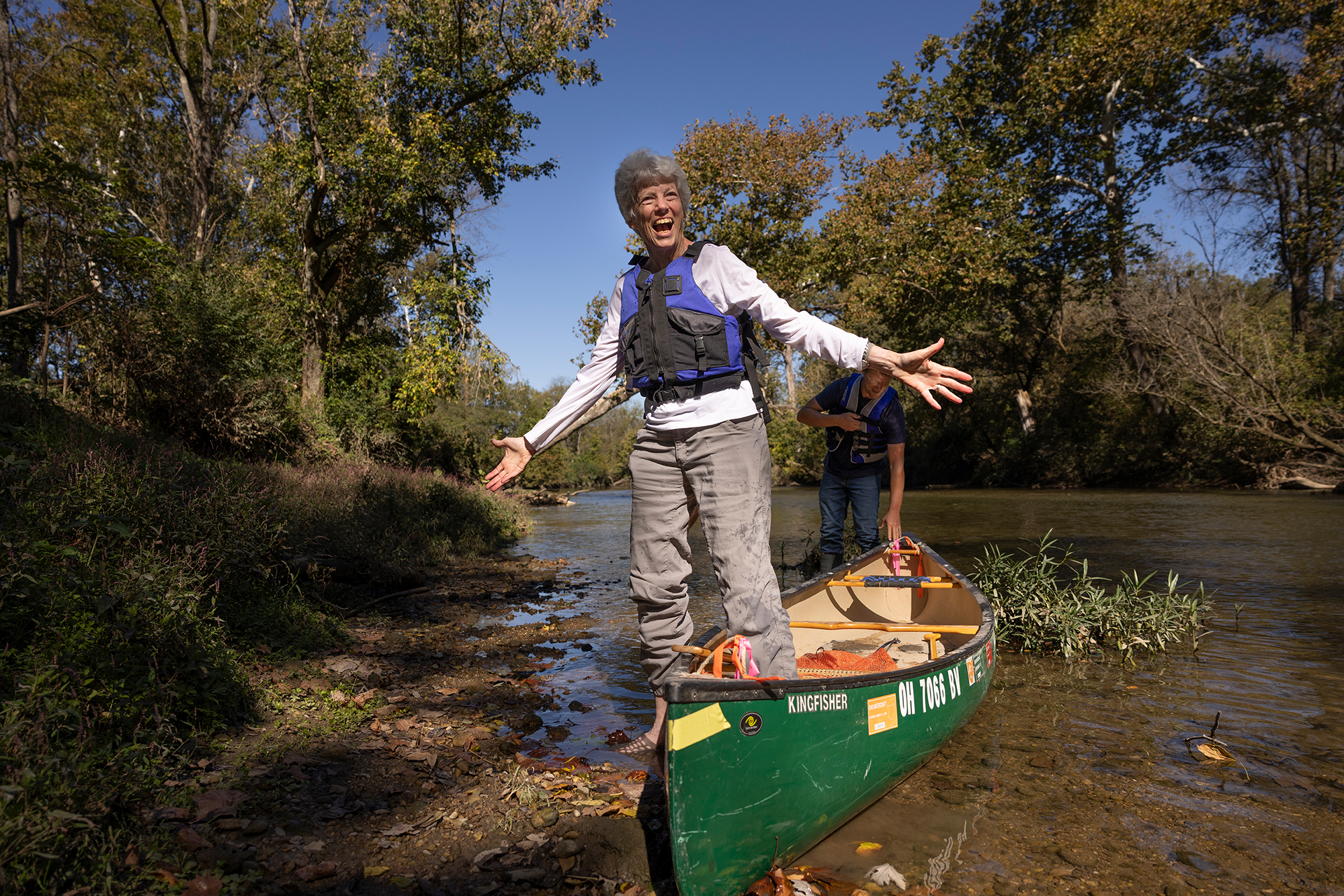
The Little Miami River is swollen from rain. From behind a 200-year-old sycamore tree in her backyard, Hope Taft studies the water willow growing along its banks. “If you pay attention, the river tells you how it feels every day,” she says, pointing to leafy green plants along the bank. “You see the water willow? That’s a good sign. It means the water is healthy.”
A healthy river has been Taft’s driving force since she and her husband, former Ohio Governor Bob Taft, moved to their southwest Ohio home in Bellbrook in 2007.
“We were blessed to move here – the river is an absolute joy,” the former First Lady of Ohio said.
But the more she watched the river, the more she saw trash floating past her backyard.
“Anything you could imagine. You’d see neighbors maneuver around it in canoes,” she said. “And that was just what was visible.”
Chemicals, medicines and sediment were polluting the water too. This is water for drinking, swimming and fishing.
“So, we got to work.”
Taft helped create what is now the Little Miami Watershed Network, a local conservation group that protects the river through cleanups, education and advocacy.
In 2021, the network partnered with Brent Sohngen, a forestry economist at The Ohio State University who specializes in measuring the economic value of natural resources and outdoor recreation. Working together, they produced a study that revealed the Little Miami’s value in a new way.
“It takes more than love to protect an area,” Taft says. “Brent and Ohio State came in and took our efforts to a higher level.”
‘It's just beautiful’
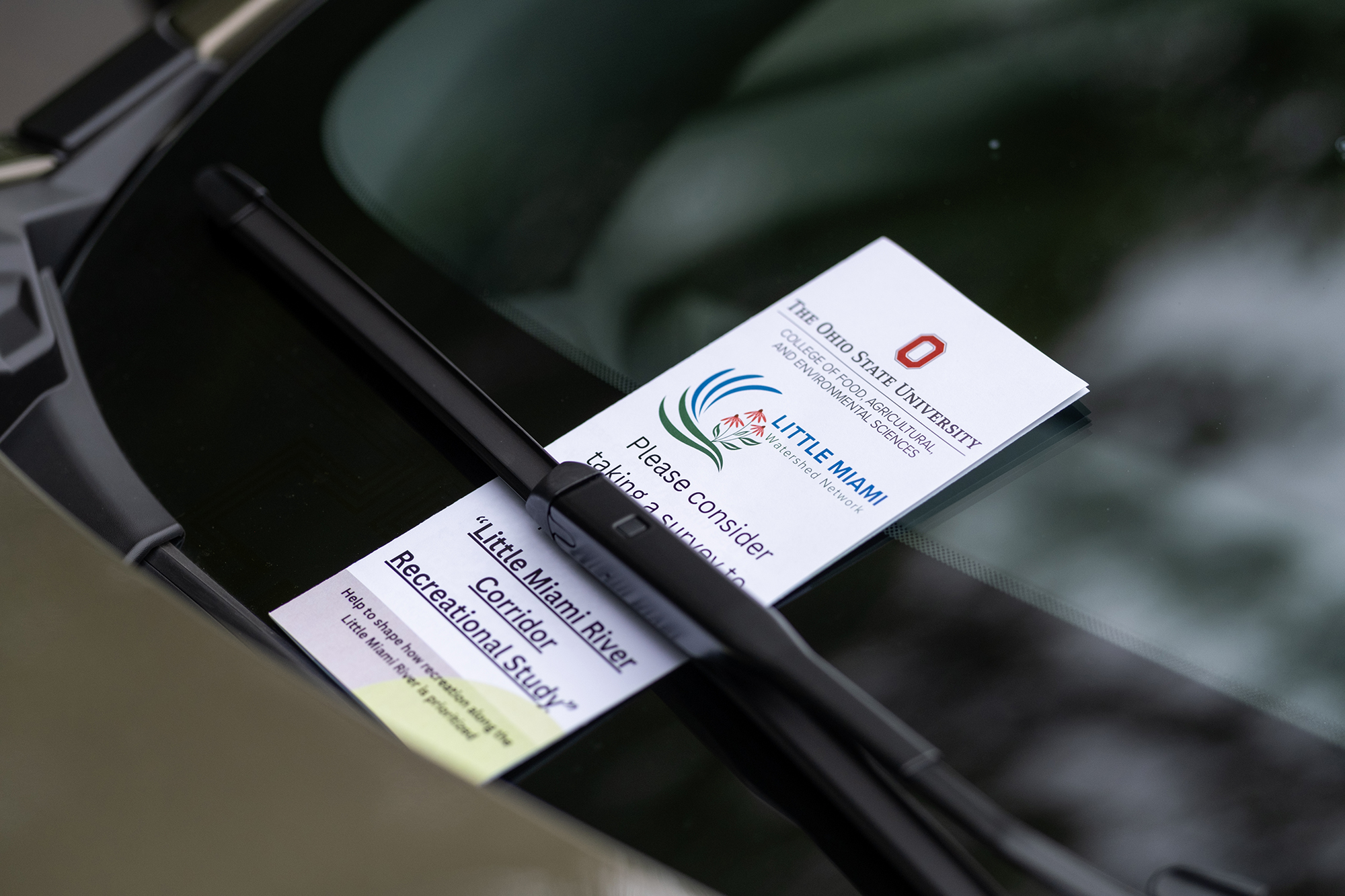
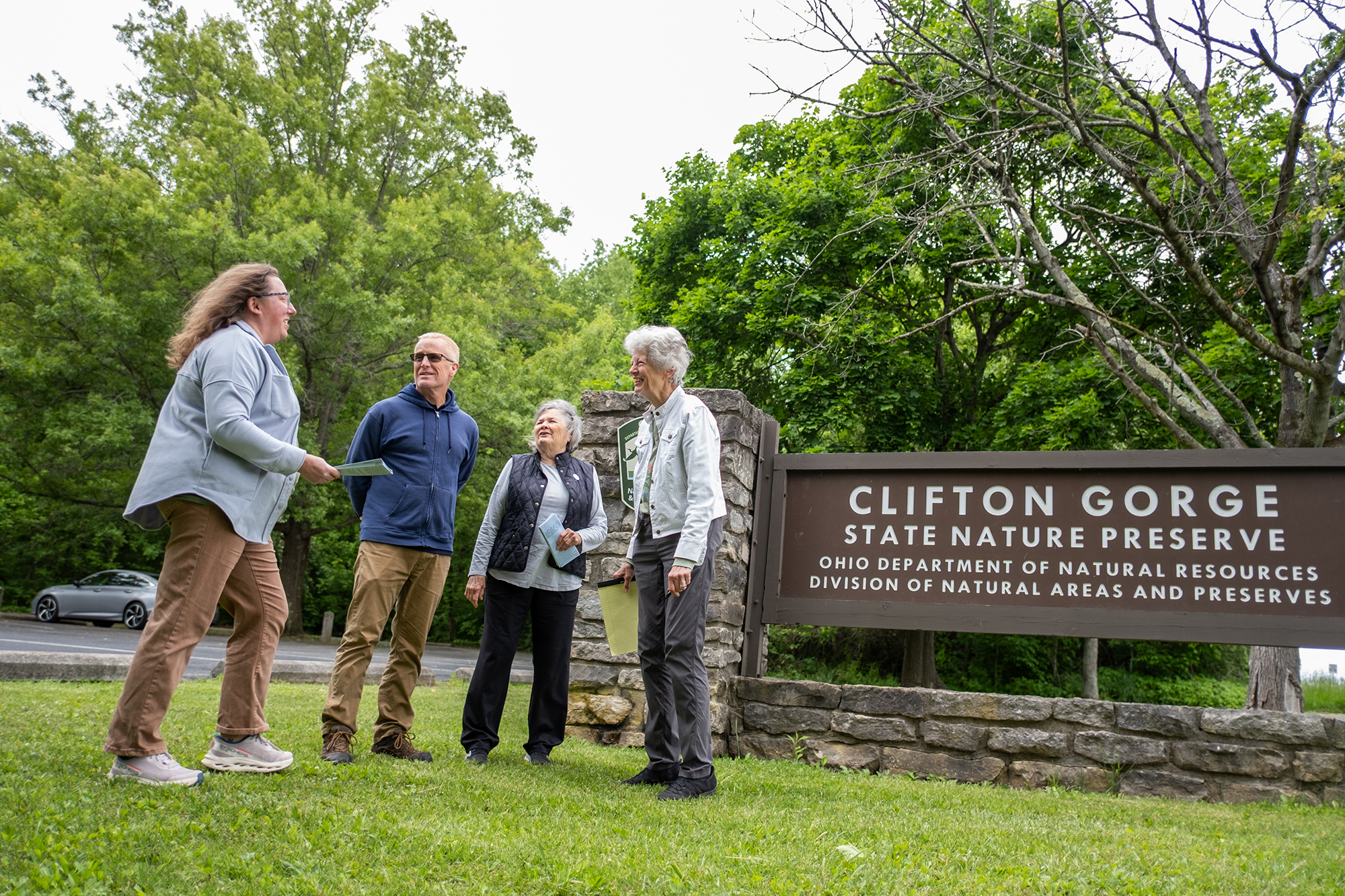
On a cold May morning at the Clifton Gorge State Nature Preserve, a few miles east of Yellow Springs, Sohngen hands survey pamphlets to Taft and volunteers with the Little Miami Watershed Network, including executive director Alison Pifer. As Sohngen heads out for a hike, the volunteers place the pamphlets on cars.
“This is such a fun place to go,” Sohngen says. “It’s just beautiful.”
The Little Miami River is designated as a state and national scenic river. Beginning near Clifton Gorge, the river flows more than 100 miles through southwest Ohio, connecting communities and supporting parks, trails, fishing and canoeing – along with local businesses that thrive on visitors.
“It’s the lifeblood of this whole area,” Taft says.
The river also connects ecosystems far beyond its banks. Pollution entering the water upstream can affect downstream waterways, including the Ohio River, making conservation efforts important beyond the local communities.
Each year, more than 300 people participate in network cleanups. Volunteers have removed more than 34,000 pounds of trash from the upper half of the river, the group’s primary focus. The network also works with farmers and communities to improve practices that affect water quality.
But the river offers another reason to protect it: its economic value.
The Little Miami Scenic Trail, an almost 80-mile-long bike path, forms a major section of the Ohio to Erie Trail, connecting Cleveland to Cincinnati. Along the river, visitors hike, bike, fish, paddle and camp, supporting towns and businesses throughout.
Until Sohngen’s study, however, the region lacked an accounting of the river’s recreational and economic impact.
Beginning in 2021, Sohngen’s team at Ohio State partnered with network volunteers to survey 45 sites along the upper half of the river. From April through October, volunteers counted cars and gathered information about visitors’ activities, travel and spending.
The findings were striking. The study documented 806,446 trips to the surveyed sites and estimated $9.7 million in annual recreational value to visitors. Recreation generated an estimated $233,256 in benefits per river mile each year, while visitor activity supported $4.8 million in commercial activity for local businesses.
“What’s the term? Gobstruck? It just knocked us out,” said Bill Schieman, a founding network member. “No one would have guessed some of the numbers we saw.”
The findings attracted attention from local government officials, media and community organizations. For the network, the research offered solid evidence of the river’s value that could help make the case to protect it.
“For the first time, we had good data to show how valuable this resource was, it was such a breakthrough,” Schieman said.
Schieman and Taft both said Ohio State’s involvement carried weight.
“When I mention Ohio State, people perk up and pay closer attention,” Taft said.
The network began a follow-up study in 2025 to measure changes to visits and spending. Early figures indicate growth.
For Sohngen, the research illustrates why economic evidence can be such a powerful tool for conservation. Policymakers decide how to allocate limited resources, and understanding the value of recreation can help inform those decisions.
“If you tell people the water is cleaner and we have more mussels, that resonates with some people,” he said. “But if you say, the water is better, we have more mussels and it’s worth millions of dollars, that resonates to more people.”
A model for other rivers
Sohngen said studies that measure recreational value at this level of detail are relatively uncommon. Researchers increasingly use cellphone data to estimate visits to outdoor destinations, but the Little Miami project’s approach had volunteers collect information directly at sites along the river.
The volunteers counted cars in parking lots and asked visitors to complete online surveys about where they came from, how often they visited, what activities they did and how much they spent. The approach gave detailed information about how people use the river and the economic activity associated with each visit.
Sohngen plans to publish papers and present the findings at national conferences, sharing what the team learned about using volunteers to collect recreational data. He sees potential for the approach to help other communities demonstrate the value of their own natural resources.
“To have this success using a volunteer approach is something you don’t normally see, so I’m excited to take it to my peers across the country,” Sohngen says. “It could definitely become a template for showing just how valuable these ecosystems are and help landowners make better decisions for their local communities.”
For Taft, the work is far from finished. At 81, she continues to advocate for the health of the Little Miami and the generations who will enjoy it.
Back in her backyard, she points across the river to a couple walking a dog in the park.
“I get excited when I see that because I know they are enjoying nature. It inspires me,” she said. “People need to get closer to nature, to feel that difference. If they don’t, they won’t love it and they won’t protect it.”