2026 Winter Olympic Games
Ohio State programs are helping student-athletes compete at a championship level
By Jacob Carozza
There are numerous reasons for the dominance of Ohio State’s women’s ice hockey team over the past few years. With four straight national championship appearances and multiple players participating in the ongoing Milano Cortina Winter Games, the Buckeyes’ performance on the ice has been consistently elite.
The hard work that produces that success continues off the ice, too. One major factor? Access to cutting-edge sports science technology and research at Ohio State.
Wearables that track heart rate, body temperature and sleep are generating the data needed to tailor training to each individual athlete, says Kevin Lennon, the team’s athletic trainer.
“We know if you’re tired, we know if you still have more in the tank, and we can bring that together and provide not only the student-athlete with that information but the support staff and the coaching staff as well,” he says.
That process has grown out of collaboration with Ohio State’s Performance Innovation Teams (PITs). Launched in 2022, the PITs bring together the best of Buckeye sports science and research to meet the needs of student-athletes. The sports science field is booming with access to new data, but researchers and coaching staff often inhabit separate worlds. The PITs allow them to come together and share ideas, says Josh Hagen, faculty director of the Human Performance Collaborative and a professor of integrated systems engineering.
“Let’s do something cutting-edge and make sure it directly benefits athletes — and then let’s study how it’s benefiting them at the same time,” Hagen says.
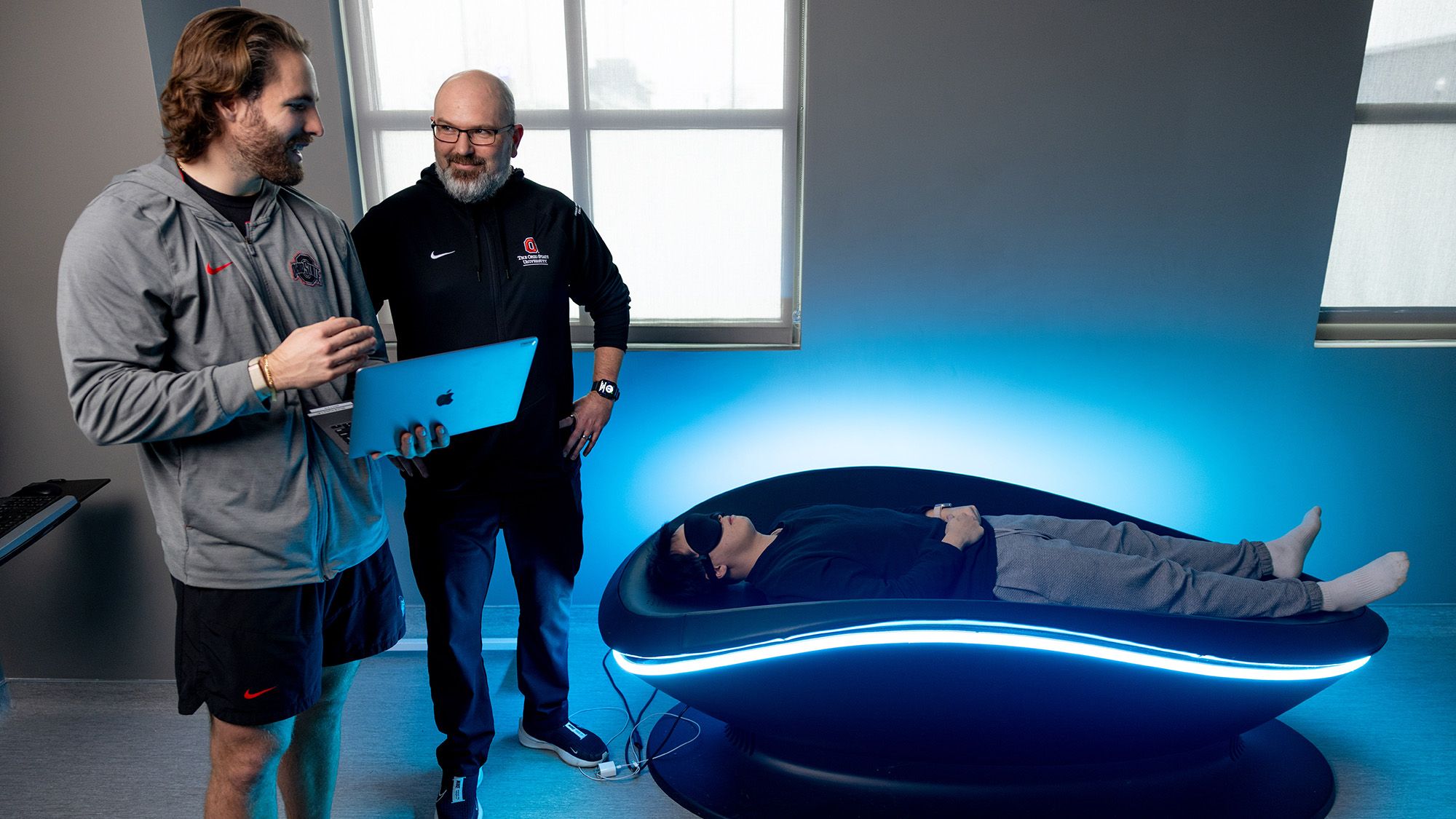
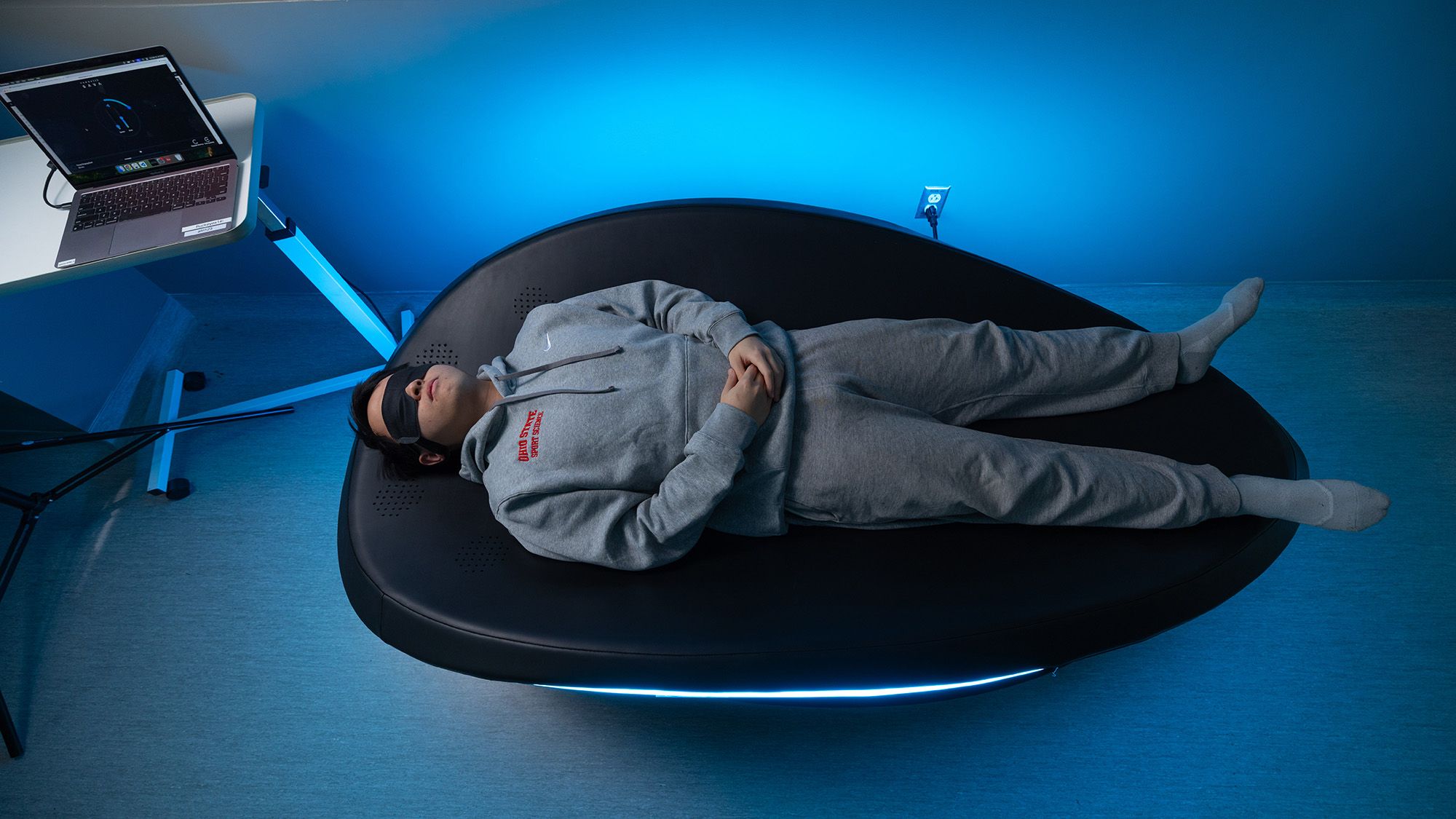
Innovative recovery technologies have been transformative for the women’s ice hockey team and for student-athletes across the university. The Ammortal Chamber, a $160,000 machine housed in the Schumaker Complex, offers several noninvasive recovery techniques, including light therapy and multi-wave technology, to help athletes enter a state of enhanced rejuvenation. The SAVA is a vibroacoustic therapy machine that allows athletes to lie down in a pod that combines vibrations with immersive music. The machine is brand new — Hagen learned of it from partners at the U.S. Soccer Federation. Together, these technologies give Buckeye coaches and staff a leg up in individualizing athletic training.
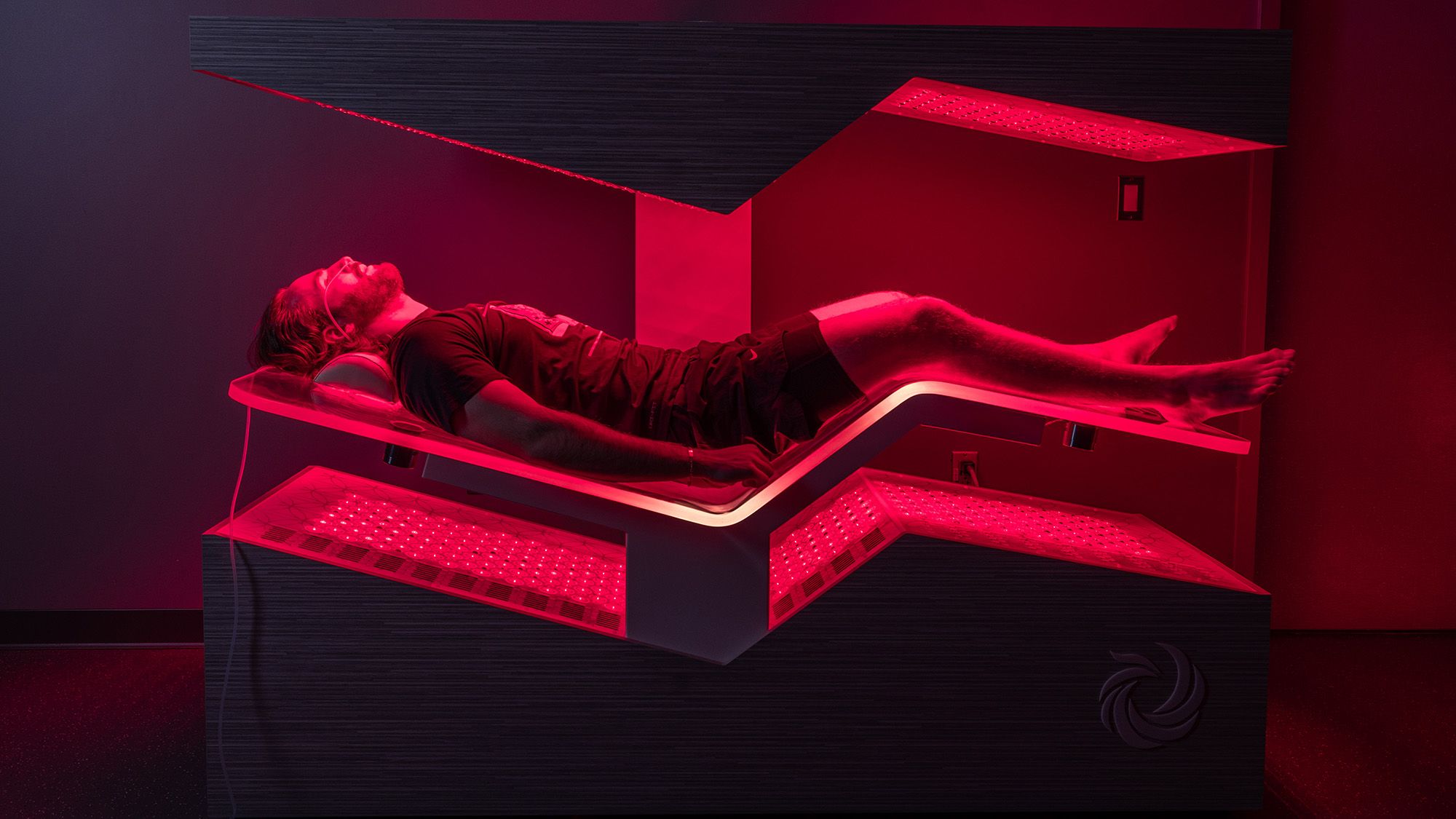
“What I try to do on the PIT side is make sure I’m arming them with the best information possible,” Hagen says.
With the ongoing Olympics, the women’s ice hockey team is short a few players. Access to data from PIT technologies has made it easier to devise an appropriate practice schedule and ensure players aren’t overworked, Lennon says. Wearables can help coaches determine how an athlete’s body is responding to a higher training load, for example. Lennon believes that this kind of research-informed data collection provides a competitive edge.
“Seeing the vastness of Ohio State, I do think it puts us in the outlier category sometimes — in a good way,” Lennon says.
Learn more about other sports performance projects at Ohio State:
The Wexner Medical Center’s Motion Analysis and Performance Lab uses state-of-the-art motion capture technology to aid athletes with a range of ailments and concerns. High-speed cameras capture split-second movements, while electromyography equipment pinpoints muscle activation. Hidden force plates embedded in the floor record the forces acting on each foot. The applications are broad: The lab can help with everything from preventing injuries caused by repetitive movement to fine-tuning jump-landing technique.
The Performing Arts Medicine Program brings together doctors, surgeons, nutritionists, psychologists and other specialists to meet the medical and performance needs of dancers and performing artists at all levels. It is the primary medical provider for BalletMet Columbus and Ohio State’s Department of Dance and School of Music. Staff members also work with outside gymnasts, contemporary and competition dancers, and performers from genres including West African, liturgical and Irish dance. They also seek to treat pain and discomfort before they evolve into more serious injuries.