Fighting for lifetimes
Dr. Gail Besner is a surgeon-scientist who seeks to end a disease that kills up to half of the premature babies it infects
Dr. Gail Besner holds her hand out flat to illustrate the size of the premature babies she has dedicated her life to saving.
“These babies are literally the size of your hand,” she says. “When I have to tell a parent their baby is not going to survive, or has died, it takes a little more out of my heart each time.
“But my response is to work even harder because these babies have been robbed of any future they could have had. When you save the life of a child, you save an entire lifetime.”
Dr. Besner is the chief of pediatric surgery at Nationwide Children’s Hospital and a professor in the Ohio State University College of Medicine. This year, she was named a Distinguished University Professor, Ohio State’s highest faculty honor — the first surgeon to receive the distinction and first awardee from Nationwide Children’s Hospital.
A pioneering surgeon-scientist, Dr. Besner’s work has transformed the fields of pediatric surgery and neonatal intestinal disease. Specifically, Dr. Besner’s fight is against necrotizing enterocolitis (NEC), an intestinal disease that kills up to half of the premature babies it affects.
“Your baby can look fine at noon and be dead by 4 p.m. due to NEC”, Dr. Besner explains. “It’s a cruel disease.”
It’s the surgeon’s job to save the life of the baby by removing the affected areas of the intestines, according to Dr. Besner. It’s the scientist’s drive to bring down that 50% mortality rate so more parents walk out of hospitals with their baby in their arms.
“Unfortunately if these babies are born very prematurely, they are at significant risk of getting a horrible disease like (NEC). And until you know the patient is going to be ok, you worry about it every moment, every day, every week until the child leaves the hospital. It consumes you.”
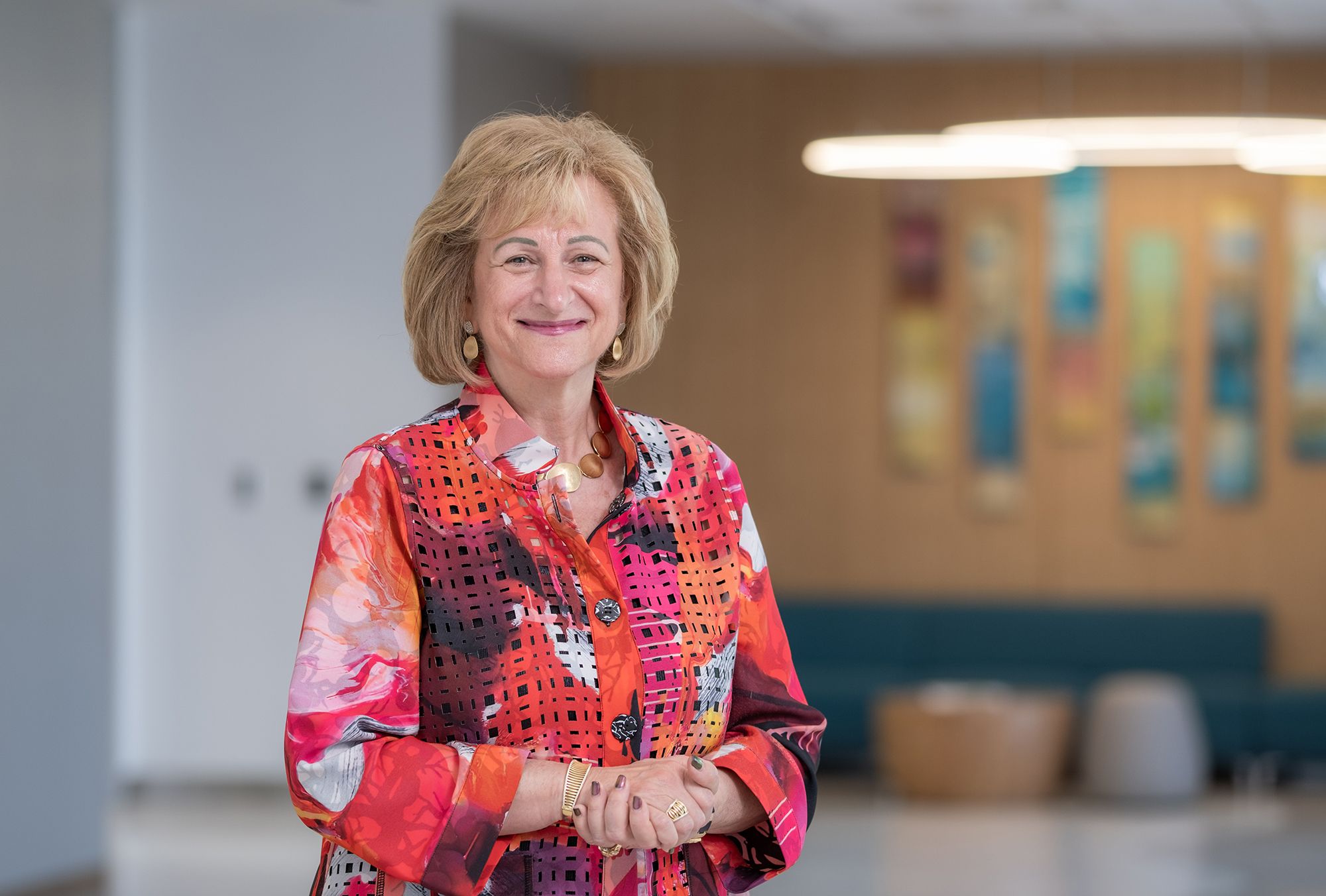
Dr. Besner is an internationally renowned pediatric surgeon, with honors galore. She is a member of the prestigious National Academy of Medicine, was elected to serve as president of the American Pediatric Surgical Association in 2026-27, and in 2025 received the American Surgical Association’s Medallion for Scientific Achievement, the association’s highest honor.
She’s even been asked on three occasions to perform one of the rarest and most challenging pediatric surgeries there is: the separation of conjoined twins. All three operations were successful and all six twins — all girls — are living healthy lives and stay in touch with Dr. Besner.
But NEC remains the challenge. And true to her nature, her work as an educator and a scientist aims to ensure that the fight continues now and in the future.
“What's important is trying to find a cure for generations of patients to come, patients we will never have met or examined, but whose lives can be saved in the future by what we do in the research laboratory today.”
From her research laboratory, Dr. Besner has advanced understanding of how the intestines respond to injury. She discovered heparin-binding EGF-like growth factor early in her early career, which opened new directions in the study of tissue repair. That set the stage for identifying novel therapeutic strategies to protect the intestines from injuries like NEC.
As the scientific co-founder of Scioto Biosciences, Inc., she has developed a method of delivering beneficial probiotic bacteria in their biofilm state that could protect babies from NEC. The probiotic biofilm shows great promise in current studies, with work continuing toward eventual FDA approval.
“If we can get our technology to the bedside in the neonatal intensive care unit, our hope is that the next surgeon doesn’t have to tell parents that there’s only a 50% chance their precious baby will survive,” she says. “In fact, our hope is to avoid surgery altogether.
“Our number one goal as physicians is to help patients by finding cures for diseases that have no cures, and to find hope for parents who have no hope. We have to find a cure. We have to help these babies.”
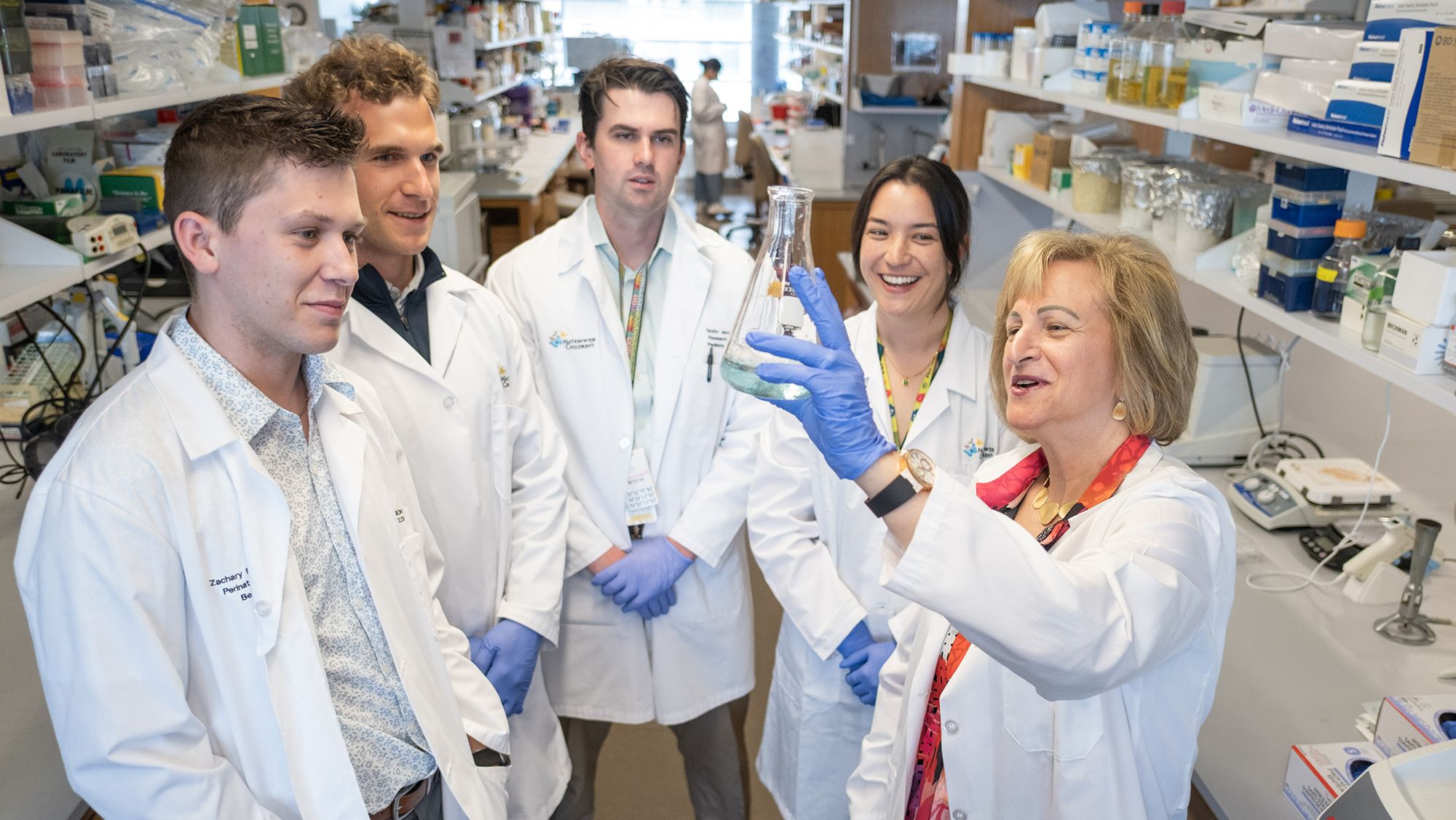
Dr. Besner’s students have and will push her work forward. She has mentored and trained numerous medical students, postdoctoral fellows, research scientists, PhD students, master’s students, undergraduates and even high school students.
And while the surgical, medical and scientific training she provides is critical to their education, her message is even more profound.
“I tell them that if you have a dream, don’t let anybody tell you that you can’t achieve that dream. It’s just not true. It takes passion. It takes hard work. It takes persistence. You don’t have to be a genius, you just need a burning desire within you to succeed,” she says. As a mentor, Dr. Besner’s greatest satisfaction is from seeing her mentees succeed. “When I see my trainees present a beautifully polished talk in front of an audience, that’s all the reward I need. That’s incredibly important and meaningful to me.”